Arkansas’s Rural Health Transformation Program (RHTP) has entered a pivotal first phase, with Governor Sanders awarding $149.3 million to rural hospitals and healthcare organizations across the state; just part of an anticipated $1 billion, five‑year federal investment aimed at reshaping access and sustainability in rural healthcare. Funding through these initiatives prioritizes telehealth expansion, remote monitoring, EMS communication upgrades, and strengthened care coordination, yet the implications extend far beyond technology. For healthcare leaders, these grants signal a strategic shift toward modernization, facility stabilization, and integrated delivery models that maximize existing assets while closing persistent access gaps. As highlighted in Aaron Scott’s analysis of Arkansas’s rural health strategy, the real opportunity lies in directing capital toward durable infrastructure improvements, flexible clinical environments, and long-range planning capacity. These investments enable rural systems to maintain service continuity, meet federal constraints, and build the resilient care networks Arkansas communities will depend on for decades
What the money is really doing
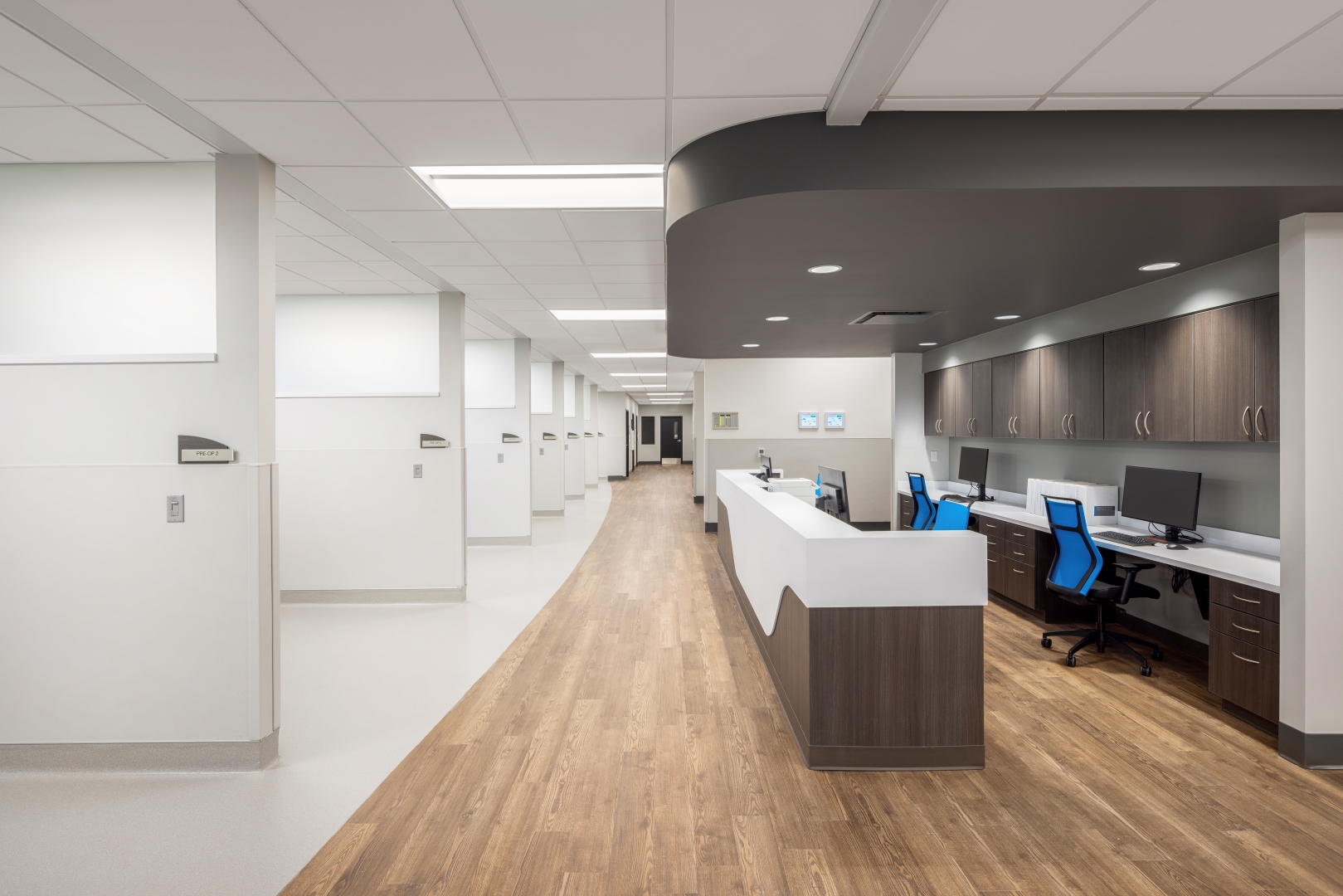
The first round of funding might look technology‑heavy, telehealth carts, remote patient monitoring, EMS communication upgrades, but the real impact lies in modernization, integration, and maximizing existing resources through infrastructure upgrades, facility stabilization, and flexible care spaces. With federal rules prioritizing renovation over new construction and setting strict caps on capital and administrative costs, hospitals must be strategic with every dollar, especially in a state where residents live in rural communities facing significant access gaps. Cromwell helps hospitals navigate these constraints by asking the right questions: What do you already have, where are the critical gaps, and what upgrades will make the biggest, fastest, and most defensible impact, particularly for rural Arkansans who rely on expanded telehealth and adaptable clinical environments? Our role is to guide hospitals and rural healthcare providers toward high‑value improvements that strengthen care delivery, expand access, and make every investment count
What Cromwell brings to the table
Cromwell has practiced architecture and engineering in Arkansas for 141 years, and that history isn’t just a milestone, it’s a deep foundation of local understanding. We know the buildings, systems, and operational realities of rural healthcare because we’ve been walking alongside Arkansas communities for generations. And in a state where only 25 of 75 counties still have labor and delivery units and rural maternal health outcomes lag significantly behind urban areas; smart investment truly matters. Whether we’re helping Round 1 awardees with facility assessments, infrastructure evaluations, and renovation planning inside tight federal windows, or supporting Round 2 applicants with feasibility studies, capital planning, and the technical narratives needed to unlock funding, our approach centers on asking the right questions: What do you already have? Where are the most urgent gaps? How do we keep care accessible during construction? And how can we shape facilities that will serve Arkansas families long after the grant period ends? Our work is about helping hospitals make thoughtful, effective decisions that strengthen care for the communities who need it most.
The longer view
As Arkansas moves through the five‑year RHTP runway, the greatest opportunity isn’t just distributing capital, it’s building lasting planning capacity and a clear vision for where rural healthcare needs to go. With guidance noting that future‑year allocations may shift as needs and priorities evolve, the hospitals that will benefit most are the ones that come back each year with credible plans, verified gaps, and completed work that demonstrates real progress. Cromwell is already deeply engaged in this effort, helping rural systems think strategically about modernization, infrastructure upgrades, telehealth expansion, and long‑term facility fit. We know Arkansas communities, we know the constraints of rural healthcare, and we know how to turn funding cycles into meaningful, durable improvements. If your organization is preparing its next Arkansas RHTP step, we would be honored to partner with you and help translate good planning into better care for the patients who need it most.
What’s next
As Arkansas advances into the next phases of the Rural Health Transformation Program, healthcare leaders will face a critical moment to translate early momentum into long‑term operational resilience. The organizations that will be best positioned for allocations are those that treat Round 1 not as a standalone infusion, but as the foundation for a multi‑year modernization strategy.
“What comes next is less about chasing individual projects and more about building institutional capacity: strengthening facility readiness, expanding telehealth and flexible care environments, and developing credible, data‑driven plans that evolve as state guidance and rural health demands shift,” Said Aaron Scott, “Cromwell’s ongoing work with rural systems through facility assessments, feasibility studies, renewal planning, master planning, and technical documentation centers on helping leaders stay ahead of this curve.”
By approaching each funding cycle with clarity, continuity, and a commitment to durable improvements, Arkansas hospitals can ensure that the RHTP serves not only today’s critical gaps but the future stability and accessibility of care for every rural community in the state. Let our team map your needs, define your strategy, and get your next round of work underway today.
Insights Provided by Aaron Scott, Principal / Healthcare Practice Leader